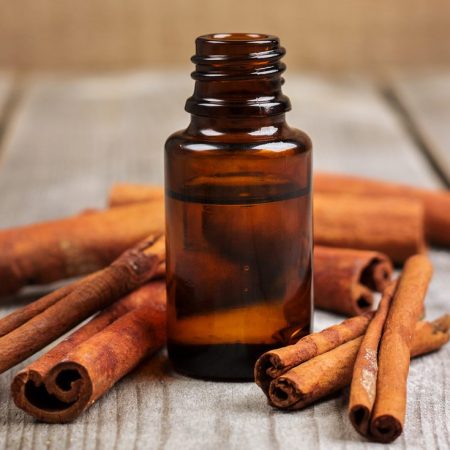
The Simple Guide to Aromatherapy at Work
Posted: May 4, 2013 Filed under: Aromas, Aromatherapy, DIY, Essential Oils, lifestyle, new york city, Recipes, Style, Wellness | Tags: burning oils at work, diffusing essential oils at work, essential oils for energy, essential oils for working 1 Comment »Need help surviving the work day? Here are some quick tips for using essential oils around the office.
1) If you’re using a diffuser try to keep the scents neutral.
Even if you have a private office, chances are the scent of whatever you’re burning will waft into the surrounding areas. Choose essential oils that most people will enjoy or find unoffensive.
Citrus oils like Grapefruit, Lemon, Lime, Bergamot, Mandarin, and Orange are excellent for diffusing in communal spaces. They are uplifting, have light clean scents, and virtually everyone likes the smell of citrus fruits. Lavender and Eucalyptus are also good options. Less is more when diffusing essential oils. Add small amounts (2-3 drops) of oil until you’re familiar with the strength of your chosen oils. You’ll also experience olfactory fatigue, which means you’ll no longer smell a scent even if it’s still in the air. Always leave a room then return before adding more oil to your diffuser.
2) Essential oils that offer the perfect amount of relaxation.
You’re stressed and you’re busy. You need to relax but napping is frowned upon and there’s no time anyway. You need essential oils that are soothing but leave you alert. Good oils to try: Clary Sage, Frankincense, Lavender, Patchouli, Geranium, Lemon Verbena, Coriander, and The Cedars. Oils to avoid: Ylang Ylang, Marjoram, Vetiver, May Chang, The Chamomiles.
You can inhale these oils right out of the bottle, mix them into a room spray, or add them to a body lotion for topical application.
3) Essential oils that wake up your mind and body.
You’re burned out from problem solving, or you’re in the afternoon slump. You need essential oils that refresh the mind and stimulate circulation. Good oils to try: Rosemary, Peppermint, Spearmint, Basil, Fir, Spruce, Pine, Anise, Laurel, Camphor, Eucalyptus, Black Pepper and Thyme. Oils to avoid: Avoid using too much of any of the above! These can also be inhaled out of the bottle, added to a room spray or added to a body lotion (except Black Pepper).
4) Essential oils that help prevent the spread of colds and flu.
Don’t catch whatever contagion happens to be moving from desk to desk. You need to surround yourself with a few anti-viral essential oils. Good oils to try: Cinnamon Bark, Tea Tree, Clove, Thyme, and Oregano. Each of these oils can be irritating to skin so use with care. These oils are perfect to use around the office in a room spray. To help boost your overall immunity you may want to combine one of the anti-virals with Ginger or Lemon and start using the blend before cold season. Oils to avoid: You probably see a connection here. The essential oils that do the best job of being anti-microbial can also be very irritating to the skin. Remember this when making anything for topical application.
5) Basic Room Spray and Body Lotion Recipes
For room spray add 20 total drops of your selected essential oils to 2oz. of distilled or tap water. Shake before spraying. Here are a few combinations I like:
10 Bergamot, 6 Lavender, 4 Clary Sage for a calm and peaceful feeling.
12 Grapefruit, 2 Black Pepper, 6 Laurel for an energizing lift.
8 Peppermint, 4 Cinnamon Bark, 4 Tea Tree, 4 Lemon for cleansing the air.
A basic Aromatherapy body lotion or oil contain 6-8 drops of essential oil for every 1oz. of body oil or lotion (carrier). You can adjust this a little depending on the oils you’re using. For example, Lavender is quite gentle and most people could easily tolerate more than a 1% dilution (6-8 drops/oz. carrier). On the other hand oils like Cinnamon Bark, Black Pepper, Oregano, Rosemary, or Peppermint will be far too strong at the same rate of dilution.
The same rule applies here as for diffusing oils. Less is more. If you’re unfamiliar with the oil, try a small amount first. If it’s not strong enough you can always add more. Some recipes I like:
To 2 oz. of body oil or lotion add:
4 Lavender, 8 Grapefruit, 4 Peppermint for happy energy.
6 Ginger, 8 Lemon, 2 Basil for cleansing, energy and boosting immunity.
6 Geranium, 2 Clary Sage, 2 Lavender, 4 Frankincense for calming and hormonal balance.
Don’t limit yourself to my suggestions. Test your own recipes and share your results in the comments. Spread the fun and make your day remarkably pleasant.
DIY Beauty: Dry Skin Brushing
Posted: March 1, 2013 Filed under: Beauty, DIY, lifestyle, natural beauty, Simplicity, Wellness | Tags: DIY Beauty, dry skin brush, dry skin brushing, ginger chi, immune boost, lymphatic cleanse 1 Comment »
Photo from GingerChi http://www.gingerchi.com
Spring is on the way! Time to get those bodies back in shape inside and out. Here is an updated post on dry skin brushing from January 2012.
I’ve been dry skin brushing during this so far non-existent winter. Apparently skin brushing exfoliates and softens skin, firms the skin, and detoxifies the body. In fact, there are so many benefits attributed to skin brushing, it’s hard to know what’s true. The most commonly repeated benefit is that it can reduce or eliminate cellulite. I’m sure results vary on cellulite, but skin brushing can have a positive effect on two important body system, skin and lymph.
Skin is the body’s largest organ. Our skin protects us from the nasty stuff in our external environment that could cause us harm, like dirt and bacteria. Skin is often referred to as our ‘third kidney’ because it carries out about 30% of the body’s eliminative functions. Skin is also constantly renewing itself, with cells regenerating every 28 days. Basically, your skin is busy and it gets very dirty. This constant dance of protecting, perspiring, and renewal is the reason that even people from cold climates with sedentary lifestyles still need to bathe regularly.
Lymphatic fluid is a part of the body’s internal filtration system. Lymph also contains white blood cells, our body’s main structure for immune response. But unlike blood, lymphatic fluid isn’t pumped through the body by the heart. Lymph moves slowly and is helped along by muscle contractions and external manipulation. Stagnant lymph flow can eventually cause a build-up of wastes and other toxic materials which can negatively affect other body systems as well as your body’s ability to defend itself from sickness.
Dry skin brushing offers the double benefit of sloughing off dead skin cells and helping the body circulate lymph. If skin is congested with dead cells and clogged pores then it can’t efficiently sweat out toxins or renew itself. Healthy lymph circulation means your body can focus on running smoothly instead of having to store toxins that are building up faster than they can be removed. This buildup is one of the many causes of cellulite but can also be the root cause for a multitude of health problems when left unaddressed. I’ve been skin brushing since mid-November. I haven’t done it every day but I am getting to it at least 3-4 days a week. Here’s what I’ve noticed so far:
I didn’t have a problem with cellulite so I can’t discuss any improvement in that area. As for toning my skin and muscles, it’s hard to say. My jiggly parts are still jiggly and I think the only remedy for that is getting back into a good work out routine.
What I love about skin brushing is that it does invigorate your body. A good skin brush feels like you had a 5 minute run, except your heart beat hasn’t increased and your muscles haven’t moved. Oh, and that’s not your blood pumping, it’s your lymph fluid. It feels like river rapids flowing just under the surface of your skin. This is an excellent way to begin your day, especially if you’ve made health resolutions that you haven’t been keeping. Sometimes one small thing that makes you feel great can be the domino you need to get yourself on track.
My skin felt cleaner on the days I did the brushing compared to the days I didn’t. Not surprisingly, on brush days I was also excited to apply my therapeutic body oils, happy to once again nourish my skin after a good exfoliation. The combination has improved the appearance and feel of my skin. For obvious reasons I don’t brush my face. I would encourage anyone taking up skin brushing to give some thought to the kind of lotions and moisturizers they use. Don’t cancel out the benefits by slathering your body in baby oil or products rich in synthetic chemicals.
So what’s next? Look for a brush that is made from natural bristles. Palm fiber brushes have become widely available and I like their density which gives you more coverage. Always brush dry skin and be sure to brush only before showering. There are lots of articles and sites that give detailed how-to on brushing. The most important thing to remember is to always brush towards the heart. You can’t go wrong if you follow that rule. I use this brush. I like that it comes with a diagram showing how to brush for revitalizing Chi. Find a system that works for you, or create one, and brush away!
Aromatherapy: The Minimalist Approach
Posted: January 18, 2013 Filed under: Aromatherapy, DIY, Essential Oils, Frugal, Home, Simplicity, Wellness | Tags: Aromatherapy, minimalism 1 Comment »Happy 2013! This post is inspired by some fabulous tips I found on the blog Into Mind. For 2013 I want to build a good minimalist wardrobe and Into Mind is brimming with clear and helpful information. There’s a series of 10 posts in which readers are encouraged to do everything from a closet detox to lifestyle analysis to make sure wardrobe items truly match the way they live. It’s a great system that could be applied to any area of your life, read about it here.
Freshly inspired, I’ve decided to apply the same approach to organizing my essential oil collection. I’m sharing here so that anyone with an oil collection that’s becoming unmanageable can try it with me. I’m a bit of a spreadsheet geek so the idea of Excel and E.O.’s was more exciting than I’d like to admit. For the next 30 days I’ll be recording my use of essential oils in detail then analyzing the results in each of the following categories:
- Home Fragrance – any oils used in my diffuser or as a room spray strictly for fragrance purposes. This would include removing odors like cooking smells.
- Personal Fragrance – any oils used as personal perfume.
- Beauty and Skin Care- any oils used strictly for vanity or to correct skin problems like blemishes.
- Wellness- oils used for daily hygiene and general health purposes and for any health issues that come up during the 30 days.
- Cleaning – oils used for cleaning and deodorizing the home. I would count adding essential oils to the trash can as cleaning and not home fragrance.
- Cooking – oils used for flavoring foods and beverages.
If you have lots of oils at home too then we might be running into the same problems. My oils are stored in one area but get moved around based on need. For example, I like to use lemongrass for cleaning and for home fragrance. That means I have to retrieve it from the kitchen to use it in the living room and vice versa. Multiply that by several oils a day and suddenly there’s a mess of bottles on every free surface. It’s far more efficient to have the right oils in the right place when you need them. I’m looking forward to finding out which oils are the most important in my routine. Next month I’ll share my results. If you decide to do an analysis too, please let me know how it’s going in the comments.
Ginger Essential Oil
Posted: November 13, 2012 Filed under: Aromatherapy, Essential Oils, Jersey City, lifestyle, natural fragrance, Recipes, Simplicity, Wellness | Tags: ginger, ginger and immunity, ginger and will power, ginger essential oil Leave a comment »Ginger is such a great essential oil for this time of year I had to post this again. Enjoy!

Photo from http://www.wild-ginger-exotic-foods.com
I love Ginger essential oil and use it almost daily in late fall and winter. So let’s take a look…
Essential Oil: Ginger
Botanical Name: Zingiber officinale
Botanical Family: Zingiberaceae
Ginger is a perennial herb originally from India but is cultivated in tropical climates all over the world. Ginger for essential oil production mostly comes from China and Southeast Asia but you will also find Ginger E.O. from Africa and even Australia.
Ginger is known and used for it’s rhizome, the thick tuberous root like part of the plant. The essential oil is most commonly distilled from the dried rhizome although distillations from the fresh rhizomes are available. The fresh distillation is reminiscent of biting into a piece of sliced ginger, while E.O. from the dried rhizome has an earthy bitter scent. Essential oil from the dried rhizome is usually about 1/2 to 1/3 the price of fresh. In both forms ginger is still in the low to middle price range for essential oils.
Ginger is a medicinal herb that is used extensively in Chinese and Ayurvedic medicine and is also on of the worlds most common culinary herbs. In Aromatherapy ginger is used to aid digestion, boost immunity, stimulate energy, warm the body, and for pain relief. Ginger is helpful for muscle stiffness caused by a lack of movement making it a beneficial addition to blends for arthritis or rheumatism. Ginger is quite versatile and is a definite must for your collection of essential oils.
Ginger blends well with a wide variety of essential oils but has an intensity of scent that can easily overpower other oils. If you want to blend something with ginger, use a light touch. Ginger is often a component in spicy and Oriental type perfume formulas. Cocktail Splash Ginger by Marc Jacobs, and BLU by Bulgari are two perfumes that incorporate the scent of Ginger.
Esoterically, ginger is used to enhance physical energy and sexuality, as well as for promoting courage and confidence. According to Mojay, ginger is the essential oil for those who need help with initiative, self confidence and will. Ginger is therefore a great essential oil for those with their sights on a long term goal like graduating college, starting a business, or getting in shape.
Use the recipe below (or your own variation) a few times a week during the winter to keep your energy up, your body warm, and to help fight winter blues and dry skin.
Winter Body Oil
2 oz. Jojoba - or carrier of your choice
6 drops Ginger E.O. – energizing, warming, protective
8 drops Grapefruit E.O. - cleansing, joyful, and bright like sunshine
6 drops Palmarosa E.O. - for it’s skin care benefits, and also blends well with the other oils
For best results use at least 3 times a week as your post-shower/bath body moisturizer. This blend is warming, stimulating and uplifting so I think morning is the ideal time to use it, but you should do what works for your lifestyle.
Ginger is a warm, spicy oil which means it can be irritating to skin. Be sure to dilute properly before applying Ginger E.O. to skin. If irritation occurs increase the amount of carrier in your blend before reapplying. Enjoy using Ginger!
Resources
Aromatherapy for Healing the Spirit by Gabriel Mojay
The Complete Guide to Aromatherapy by Salvatore Battaglia
Is Aromatherapy a Frugal Pursuit?
Posted: November 4, 2012 Filed under: Aromatherapy, DIY, Essential Oils, Frugal, Home, lifestyle, natural beauty, natural fragrance, Simplicity, Style | Tags: aromatherapy and luxury, aromatherapy and money, aromatherapy expensive, aromatherapy frugality, cost of aromatherapy, essential oil home fragrance, saving money Leave a comment »If you don’t understand aromatherapy, buying essential oils doesn’t seem very cost effective. Frugal shoppers don’t see value in spending even small amounts of money on non-necessities that have limited usefulness, which makes sense. Frugality isn’t cheapness, it’s about getting the most value possible for your money. What aromatherapy enthusiasts know that regular people don’t, is that essential oils smell amazing as well as being multi-functional. Every essential oil typically has several uses. Understanding those uses is what can make aromatherapy a frugal pursuit instead of an expensive pastime.
While there are a fair number of high quality essential oils that can be purchased for under $10, there are far more that fall into the $15-$30 range for approximately 10mL (250 drops). You will need at least 5 essential oils to perform a wide range of functions for wellness purposes, for skin care, and to use around the house. So if you want to start using essential oils you’re looking at an initial investment of $35-$60 depending on where you buy your oils and the size bottle you choose. Add in at least two books so you have enough information to use the oils properly, $30-$45 depending where you buy your books. Don’t be tempted to get your information off the internet as 95% of it is complete junk. Add in empty bottles and some carrier oils, $20-$50 again depending on what kind and how much. A low-end diffuser will run $10-$20 but if you like you can pay up to $150 for something fancy.
So your initial investment to get started with Aromatherapy will probably be $95- $175 or more depending on how much you want to spend on a diffuser and carrier oils. Not cheap but not outrageous either. The value and savings accumulate over time. That initial $100 you spent gives you the ability to eliminate the purchase of many common household products. These could be cleaning products, over the counter remedies, home fragrance or beauty products.
Let’s say you like the scent of lavender and want to use it as a home fragrance. You can buy a small bottle of lavender oil for $10-$15. This seems like a lot if you compare it to the plug in style fragrance diffusers that you can buy for $4-$8 and which also contain a larger quantity of oil. These types of fragrance systems almost exclusively use synthetic fragrance and are designed for only one purpose, scenting your home. If you choose to buy a bottle of lavender essential oil instead, here are just some ways it can be useful:
- As a true deodorizer- not just covering smells
- Soothing skin conditions like eczema and psoriasis
- For treating burns
- In a bath or massage oil to soothe sore muscles
- As a sleep remedy
- To balance and clear oily or acne prone skin
- To repel moths and mosquitoes
- To promote relaxation and calm
And perhaps the most important use for lavender essential oil is that it smells infinitely better than those horrible fake lavender scents (IMO). Your home will smell pleasant and clean, not like oh-so-obvious fragrance oil.
So one bottle of lavender oil can potentially replace up to nine individual items you might buy to fulfill needs for home, health and beauty. That’s nine bottles that need not clutter your space. That’s nine sets of packaging you can rescue from the landfill or recycling bin. That is nine cases in which you know exactly what you’re using and don’t need to worry about exposure to synthetic chemicals. That’s a huge amount of value for money. Buying the essential oil is clearly a frugal choice.
Aromatherapy can also be a valuable pursuit in ways that are impossible to measure with numbers. These incredible smells tend to inspire joy and creativity. When used topically essential oils can help energize and strengthen our bodies. They can help take care of our little aches and pains. By using essential oils we can enjoy top shelf beauty products at drugstore prices. We can use them to help stabilize our spirits whenever life becomes too stressful, painful, or downright depressing. Learning to appreciate these precious resources give us greater respect for nature, discovering yet more ways to use what we have instead of defaulting to consumption.
Is Aromatherapy a frugal pursuit? I say absolutely yes! The best part is that an aromatic lifestyle feels quite luxurious. Fragrance gives us pleasure. Unlike skipping lattes or dinners out, you’ll never need will power to fully engage with aromatherapy. This is the key to using essential oils as a transitional tool for any kind of positive lifestyle change. When we already feel great it’s much easier to make choices that further improve our lives. Don’t be put off by prices of essential oils, or the ridiculous advertising for most aromatherapy products, or your neighbor trying to push their new ‘business’ selling essential oils. If you ignore all of that and take a little time to investigate, you’ll learn that aromatherapy can enrich your life physically, mentally, spiritually, and financially.
Essential Oil: Black Pepper
Posted: November 1, 2012 Filed under: Aromatherapy, Essential Oils, Recipes, Simplicity, Wellness | Tags: black pepper essential oil, black pepper pain reliever, black pepper stop smoking, detox essential oils, natural pain relief, quit smoking naturally Leave a comment »Essential Oil: Black Pepper
Botanical Name: Piper nigrum
Botanical Family: Piperaceae
The black pepper we all know and love is a plant native to Indonesia and southern India. It’s been cultivated in that part of the world for well over 1,000 years. Peppercorns are the unripe fruits harvested from pepper vines. They are dried and then packaged either for use as a spice or steam distilled for essential oil production.
In aromatherapy, Black Pepper essential oil is used primarily for its warming and stimulating properties. It should be noted that Black Pepper essential oil can be a skin irritant and should be used with care, generously diluted before applying to skin.
Black Pepper is rubefacient, which means it helps increase local circulation. This makes it an ideal addition to massage oils for sore muscles and stiff joints. The rapid increase in blood flow to the muscle tissue helps alleviate the conditions that cause painful knots. Additionally black pepper is a pain reliever, so the oil can decrease the sensation of pain while working to eliminate the cause. Because of its potential to irritate skin black pepper should be avoided in hot baths and compresses.
Black Pepper is also useful for stimulating circulation and promoting perspiration. This makes it a great oil to add to detoxifying and immune building essential oil blends. This rapid boost in circulation and energy is the reason black pepper is added to ‘stop smoking’ essential oil blends. The stimulating action of the oil helps replace the high a person would normally get from nicotine and the oil also contributes to cleansing the body of the effects of smoking.
All of this energizing action makes black pepper one of the best oils for boosting physical and mental energy. It is an oil that can be used to bolster courage and confidence. Stimulating, cleansing, and fortifying. Black Pepper is the perfect essential oil for people who need help kick starting a project or healthy lifestyle change. If you want to start working out but can’t seem to get moving, give black pepper a try. In my experience the best results come from topical application of this oil. The scent is awakening but it doesn’t compare to the energy you’ll feel when it penetrates your bloodstream. Be advised, the first couple of times you use black pepper oil you will taste it shortly after application. Remember it can irritate skin so dilute well. Try 3 drops per ounce of carrier first and only add more if needed.
Try this Total Energy blend- it stimulates, detoxes, and boosts immunity:
2 drops Black Pepper
3 drops Ginger
5 drops Lemon
2 drops Lavender
Add to 2 ounces of your favorite body oil or lotion and apply as needed. I like to add this blend to a 2oz. mister bottle with water and spray it on after dry skin brushing but before hopping in the shower. This is an incredible way to start your day. Enjoy!
DIY Beauty: Amla Powder
Posted: October 20, 2012 Filed under: Beauty, DIY, Jersey City, lifestyle, natural beauty, Recipes, Simplicity, Wellness | Tags: amla powder, amla scrub, facial scrub, scrub ingredients Leave a comment »
Indian Gooseberry aka Amla. Photo from http://www.GoGreenGuyz.com
Amla is a sour fruit from the Phyllanthus emblica tree which is native to India but grows throughout southeast Asia. Amla is rich in Vitamin C, anti-oxidants, and fiber which has made it a popular dietary supplement. Amla is used extensively in Ayruvedic medicine for a variety of conditions from constipation to prevent graying of the hair. For beauty Amla is best known for it’s effect on stimulating hair growth, and since it’s still relatively undiscovered, less expensive than the very popular Argan (is it possible for an ingredient to be over-exposed?).
Anyway, my first time using anything Amla related was in a hair product. Later on, while checking out ingredients for a class I did over the summer I discovered the Amla in powder form. Since it’s rich in Vitamin C I knew it would be helpful for cleansing oily and congested skin and would be a fun addition to facial scrubs. I’ve mostly been using it mixed with other powdered ingredients but finally decided to see what Amla could do on it’s own.
I love it! When used in scrubs the amla powder leaves behind skin that is soft but also has the refreshed look and feel that comes from a deep clean. It worked very well even when blended with just water. Texturally it’s finer than oatmeal, cornmeal, or almond powder which means slightly better coverage and exfoliation while still being fairly gentle. Unfortunately because amla is so astringent it could easily cause irritation for people with sensitive skin. An amla powder scrub seems like a great option for those who need to balance out clogged pores, oily skin, or acne prone skin. For other skin types it may be useful as part of a monthly facial or occasional deep cleansing scrub. If you have sensitive skin or want to use amla everyday I would advise you to blend it with ground oatmeal.
How to use:
Take 1tsp of Amla Powder and make a wet paste using any of the following: Water, coconut milk, almond milk, aloe vera gel, lavender or chamomile hydrosol, cooled herbal tea.
Moisten skin with warm water, gently massage the powder mixture over the face and neck in a circular motion. Rinse thoroughly and follow with toner and moisturizer if desired. Amla powder can also be used to make a gently exfoliating body scrub and may be helpful for areas that have scars and stretch marks. Always remember to test ingredients first.
I found this amla powder at my favorite Indian grocery. If you don’t have an Indian grocery in your area you can order amla powder online. Since the powder is used primarily as a dietary supplement it certainly can’t hurt to try. I’ve made a tea with mine and can tell you it’s very bitter but not unbearably so, for internal uses follow the manufacturer’s instructions. Amla has a faint jammy-berry scent when dry which doesn’t translate when it gets wet. The resulting scent reminded me of liquid multi-vitamins, there was something very familiar about it that I couldn’t place.
Okay everybody, enjoy using Amla and let me know if you make anything interesting. Thanks so much for reading.